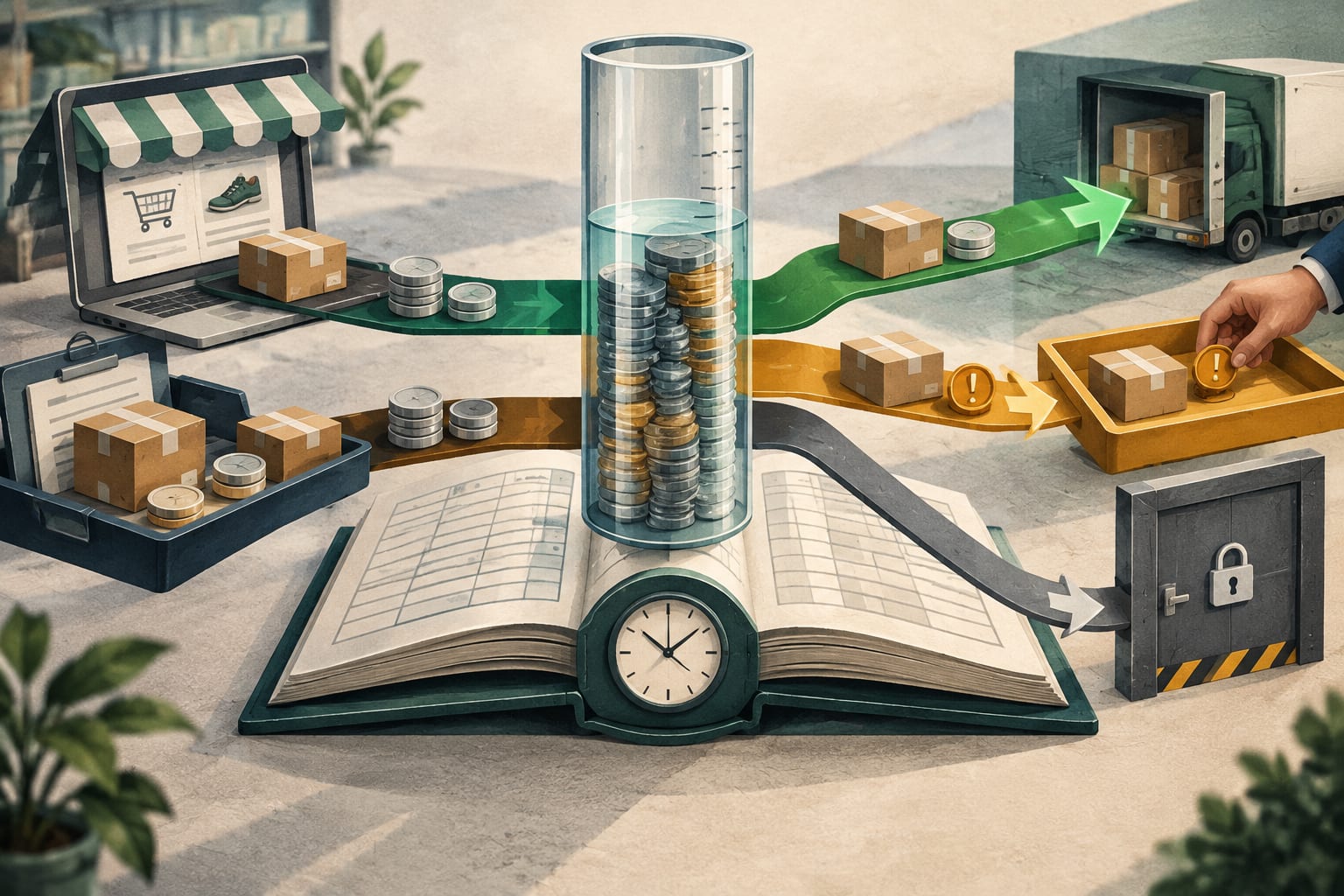
A buyer submits an order above the usual limit or with a special condition. The request sits in a shared inbox, and no one knows whether sales, credit, or the
Learner questions arrive through email, chat, and forms. A question about access to an assessment may sit behind a general inquiry, while the team answers the same case several times.
When a key person is away, work may stall because only they know a process exception, a client preference, or why a decision was made. Storing documents does not solve
A buyer signs in to the portal but cannot see the agreed price list or tries to order with incomplete tax details. The team resolves the case by email and
A campaign fills a cohort and requests keep coming. If the form, admissions sheet, and learning platform show different capacity, the team may confirm more seats than are available or
“The portal confirms an order, but the ERP still doesn’t reflect the agreed price or available inventory.” That gap turns manual order entry into a cost that goes beyond administrative
An instructor corrects an instruction, but some learners downloaded the old file while others see the new version. If the classroom does not show when a resource changed or which
Client onboarding becomes fragile when bookings, prospects, and payments live in disconnected systems. You may spend the day acting as a “human API”: copying data, confirming who showed up, and